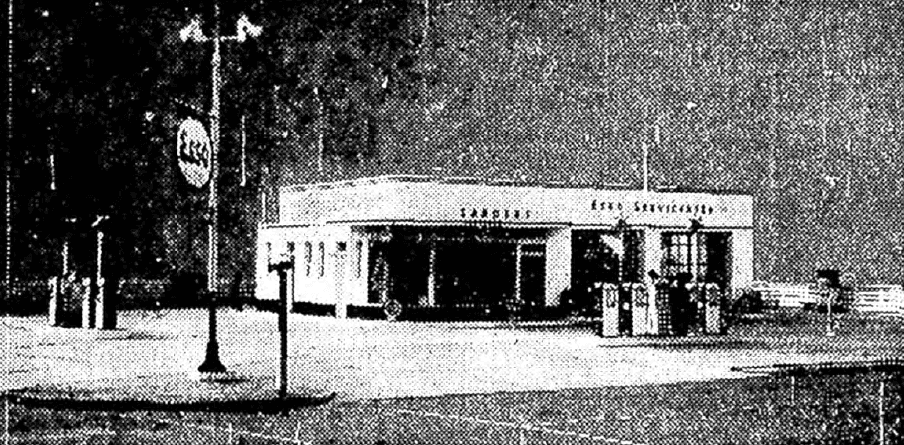
The City of Charleston's Board of Architectural Review (BAR) voted to approve two key preservation actions for 211 Rutledge Avenue, allowing for the removal of non-historic additions and the relocation of the historic building in its entirety to the corner of the lot.
The decision affirms a preservation-forward approach grounded in adaptation, recognizing that thoughtful relocation and removal of later alterations can strengthen the long-term viability and understanding of a historic resource.
Progress Preservation, which was consulted to provide an independent preservation review of the project, noted that the Board's decision reflects an important and timely understanding of preservation as an evolving practice.
“Preservation is not limited to freezing buildings in place,” said Jonathan Poston of Progress Preservation. “Adaptation, including relocation when saving in situ is not feasible, is part of the preservation toolbox. In this case, the Board recognized that preserving the building itself, while correcting non-historic alterations and responding to a changed urban context, is a responsible and preservation-consistent outcome.”
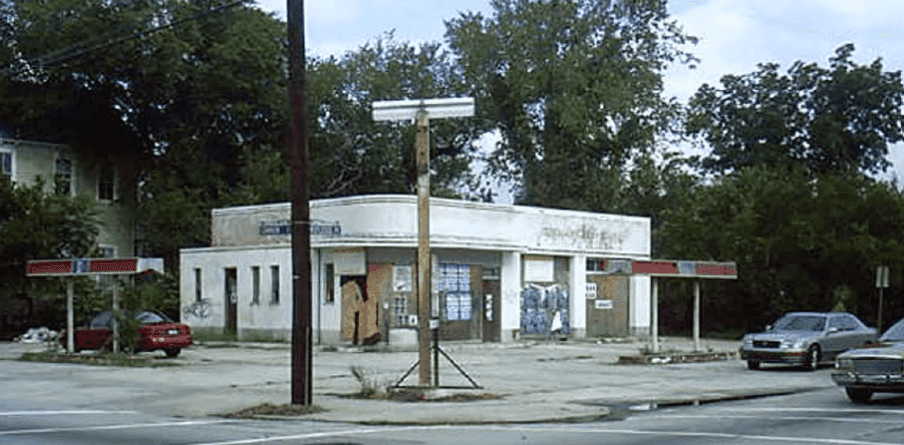
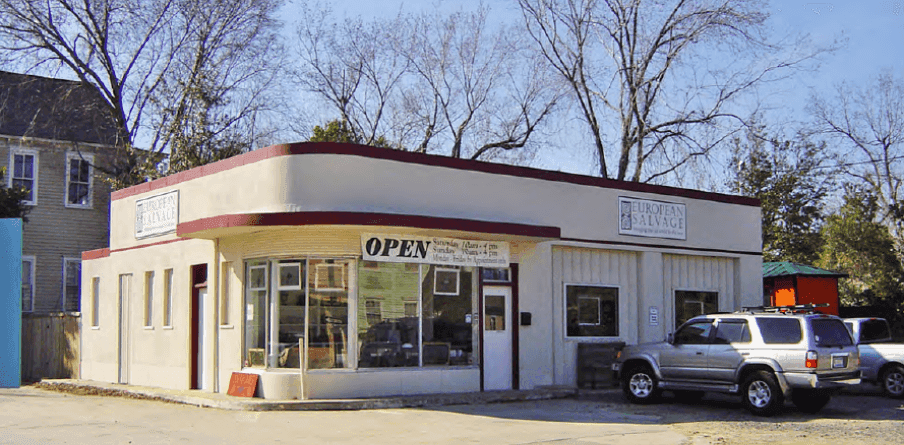
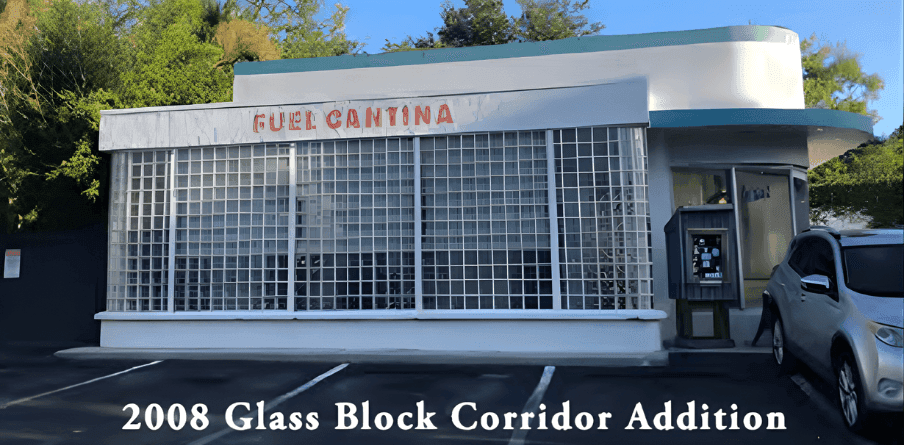
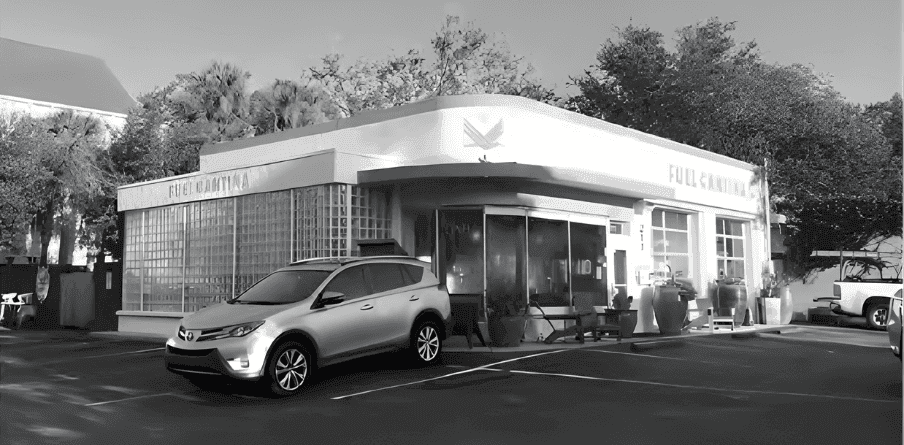
The building at 211 Rutledge Avenue, constructed in the early 1950s, was originally designed as a service station. That use ended nearly forty years ago, after which the structure experienced periods of vacancy and adaptive reuse, including as a seafood market, an antique salvage store, and most recently a restaurant. Over time, alterations were introduced to accommodate these successive uses. The Board of Architectural Review's approval allows for the removal of those later, non-historic additions and for the building to be relocated intact within the same parcel, restoring a traditional corner condition that is consistent with Charleston's historic urban form.
Importantly, the decision does not approve demolition of the historic building, nor does it authorize new construction or future development plans. Instead, it focuses narrowly on two actions intended to preserve the historic structure while improving its clarity, context, and long-term stewardship.
Neighborhood engagement played a meaningful role in the process, with residents participating in discussions and expressing support for preserving the building while addressing its altered condition and site placement.
Progress Preservation views the BAR's decision as a positive precedent affirming that preservation through adaptation, including relocation when warranted, can be a constructive path forward for historic buildings whose original use and context have fundamentally changed.